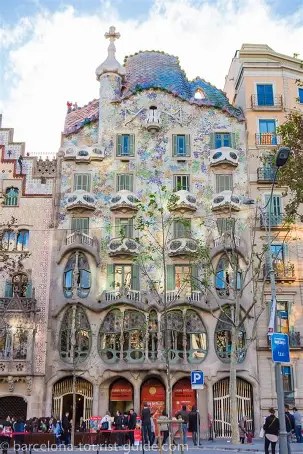
Barcelona in 2026 stands at the intersection of cultural celebration, architectural innovation, and sustained global tourism momentum. The year carries exceptional symbolic weight, marking the centenary of Antoni Gaudí’s death and aligning with the city’s designation as UNESCO–UIA World Capital of Architecture 2026, a ten‑month program of more than 1,500 events spotlighting every district and reinforcing architecture’s connection to daily life. This urban‑cultural emphasis reflects Barcelona’s long‑standing identity as a Mediterranean hub shaped by visionary design and dynamic public spaces.
A major focal point of 2026 is the Sagrada Família, which continues its long‑awaited progression toward completion. The Tower of Jesus Christ—the basilica’s central and tallest spire—is slated for completion, rising to 172.5 meters and affirming the structure as the world’s tallest church. This milestone coincides with citywide commemorations, exhibitions, and congresses marking Gaudí Year 2026, commemorating 100 years since the architect’s passing and highlighting his lasting influence on Barcelona’s architectural language and urban form. Despite the symbolic height achievement, full completion remains years away as work continues on structural detailing and the contentious Glory Façade.
Barcelona’s urban and cultural agenda extends well beyond architecture. The municipal calendar features major events such as the Three Kings Parade, the Barcelona Fashion Summit, the Joan Miró Foundation’s 50th anniversary program, and Barcelona Wine Week, reflecting the city’s blend of heritage festivities, contemporary business activity, and cultural exhibitions. These events illustrate the city’s commitment to fostering a vibrant cultural ecosystem accessible to residents and visitors alike. [meet.barcelona]
From an economic perspective, tourism continues to be a critical driver of regional prosperity. Spain and Portugal enter 2026 with stronger-than-average European economic performance, fueled significantly by the rebound in global travel. Barcelona remains a central contributor to this tourism‑driven growth, attracting millions annually with its architectural landmarks and coastal setting. Tourism‑related activity has historically added substantial GDP value, stimulated employment, and supported retail, accommodation, transportation, and cultural sectors across the metropolitan area. As travel demand continues to rise, Barcelona solidifies its status as one of Europe’s premier destinations, reinforcing its importance within Spain’s broader economic strategy.
The city’s tourism management strategy increasingly emphasizes sustainability and coexistence. Recent initiatives include strengthened oversight of tourist accommodations, updates to public‑space regulations, and expanded mobility systems for managing visitor flows. Public support for measures such as tourist‑tax adjustments reflects growing local engagement with the balance between quality of life and tourism‑driven revenue. These shifts aim to ensure long‑term sustainability while maintaining Barcelona’s appeal to international travelers.
Taken together, Barcelona in 2026 offers a compelling blend of historic reflection, architectural leadership, cultural vitality, and economic dynamism. The convergence of Gaudí’s centenary, major urban initiatives, and a strong tourism‑economic cycle distinguishes the year as a landmark chapter in the city’s modern evolution.
 Postales desde Espana
Leave a comment